Salkantay Trek 2026: The Complete Guide to Machu Picchu's Greatest Hike
The Salkantay Trek is one of the most breathtaking multi-day hikes on the planet. Recognized by National Geographic as one of the world’s top 25 treks, this high-altitude route in the Peruvian Andes takes you from the ancient city of Cusco across glaciers, cloud forests and tropical valleys — all the way to the legendary ruins of Machu Picchu.
Whether you’re a seasoned hiker looking for your next challenge or a first-time trekker dreaming of Peru, this guide covers everything: day-by-day itineraries, updated 2026 prices, what to pack, the best season to go and the insider tips that only local guides know.
📌 Quick fact: The Salkantay Trek has no permit limit — unlike the Inca Trail, which sells out months in advance. That makes it the most flexible and accessible route to Machu Picchu for travelers who don’t plan a year ahead.
What Is the Salkantay Trek?
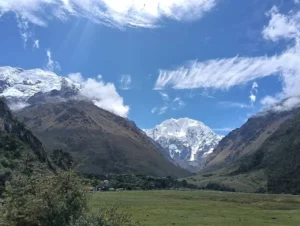
The Salkantay Trek gets its name from Nevado Salkantay (Sallqantay in Quechua, meaning “savage mountain”), the second highest peak in the Cusco region at 6,271 meters (20,574 ft) above sea level. The classic route covers approximately 74 kilometers (46 miles) over 5 days, though 4-day and 7-day variations are also widely available.
Unlike the Inca Trail, the Salkantay Trek does not require a special government permit with a daily cap. You can book your trek weeks — or even days — before your departure date, making it the go-to alternative for flexible travelers.
Why Is the Salkantay Trek So Special?
- You cross the Salkantay Pass at 4,630 m (15,190 ft) with direct views of the snow-capped peak
- The route passes through 5 distinct ecosystems: high-altitude puna, glacier zone, cloud forest, high jungle and sacred valley
- You arrive at Machu Picchu through the Sun Gate (Inti Punku) — the most dramatic and historically significant entrance
- It’s achievable for hikers with moderate fitness — no mountaineering skills required
- No daily quota on trekkers, giving you freedom and flexibility to book anytime
Salkantay Trek Itinerary: Day by Day
The two most popular versions of the Salkantay Trek are the 5-day and 4-day itineraries. Both share the same highlight: crossing the iconic Salkantay Pass. The difference lies in pace and depth of experience.
Salkantay Trek 5 Days — The Classic Itinerary
The 5-day version is the most recommended. It allows proper acclimatization, a more relaxed pace and time to fully absorb each landscape change along the trail.
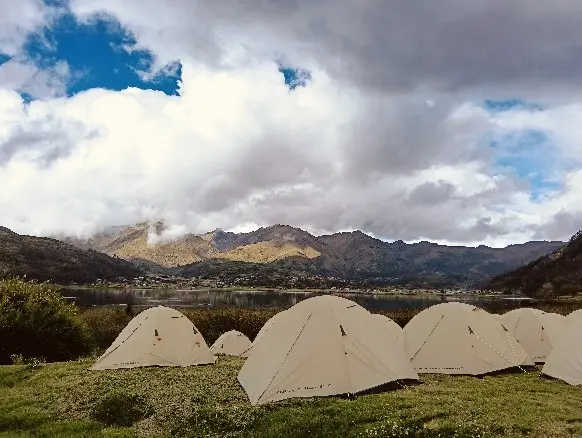
Day 1: Cusco → Mollepata → Soraypampa (3,900 m / 12,795 ft)
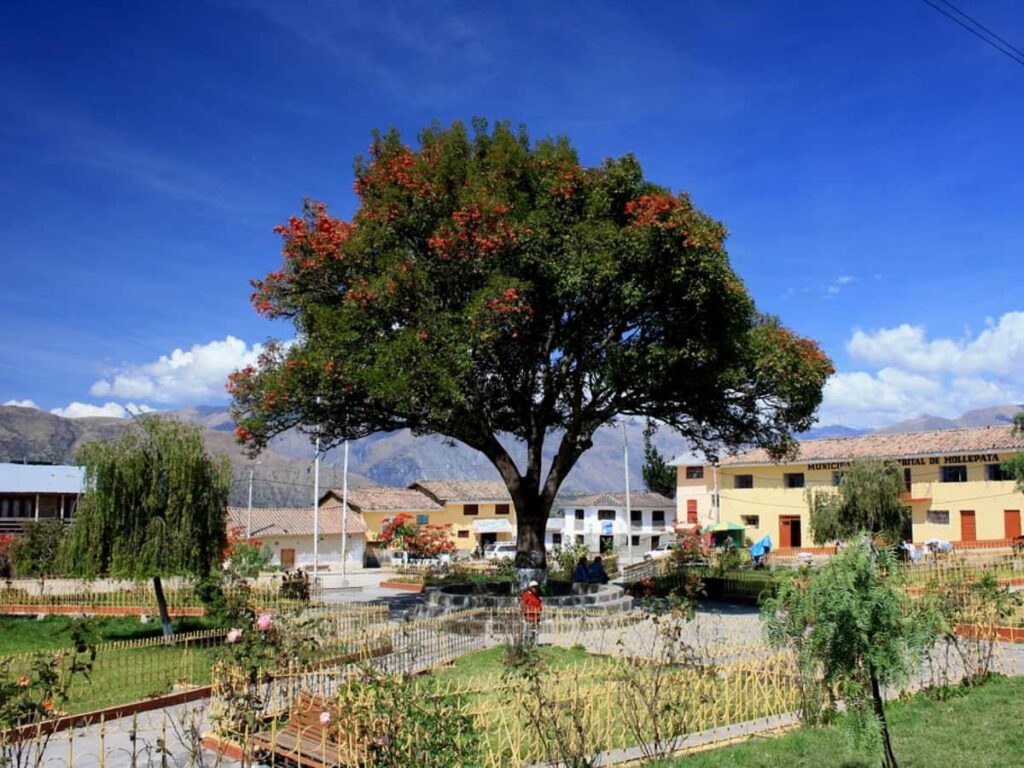
Your adventure begins before sunrise in Cusco (3,400 m). Your operator picks you up between 4:00 and 5:00 AM for the 2.5-hour drive to Mollepata (2,800 m), a quiet Andean village where most groups stop for breakfast.
From Mollepata, the trail begins. You hike approximately 5–6 hours through open highland terrain, crossing streams and small farms, until you reach the Soraypampa camp at 3,900 m. On a clear evening, the silhouette of Nevado Salkantay is already visible — and humbling.
- Distance: 14 km (8.7 miles)
- Elevation gain: +950 m
- Difficulty: Moderate
- Overnight: Soraypampa campsite or mountain lodge (varies by operator)
Day 2: Soraypampa → Salkantay Pass (4,630 m) → Chaullay (2,900 m)
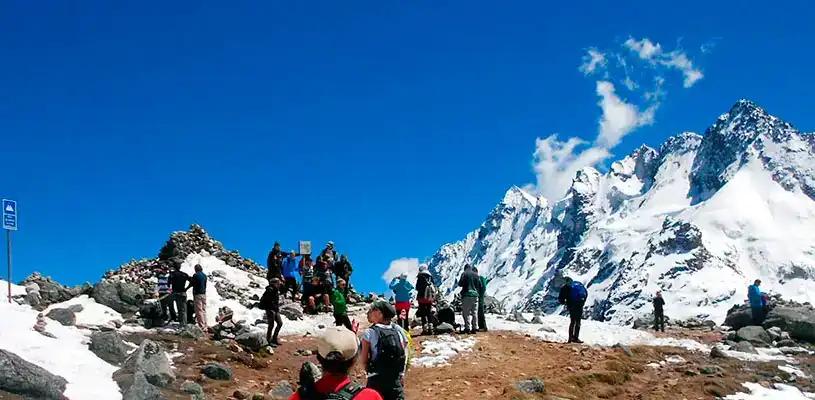
This is the hardest and most unforgettable day of the entire Salkantay Trek. You depart in the dark, headlamps on, to reach the Salkantay Pass at 4,630 m just as the sun rises over the glacier. The silence at altitude, the golden light on the ice and the physical effort combine into a moment most trekkers describe as life-changing.
After the pass, the descent toward Chaullay is long but gradual, and the landscape transforms dramatically — from frozen tundra to lush cloud forest filled with giant ferns, mosses and wild orchids.
- Distance: 22 km (13.7 miles)
- Highest point: Salkantay Pass at 4,630 m (15,190 ft)
- Difficulty: High
- Overnight: Chaullay campsite
Day 3: Chaullay → La Playa → Santa Teresa (1,500 m / 4,920 ft)
Day 3 is the warmest and most lush stage of the Salkantay Trek. You descend deep into the coffee and fruit-growing valleys of the Peruvian highlands, passing through farms where you can buy fresh passion fruit, avocados and bananas directly from local families.
Temperatures rise significantly and the scenery shifts to tropical jungle. Most operators include a stop at the famous Cocalmayo hot springs in Santa Teresa — the perfect reward after two days of demanding hiking.
- Distance: 16 km (10 miles)
- Difficulty: Easy to Moderate
- Optional activity: Cocalmayo hot springs ($5–8 USD entry)
- Overnight: Santa Teresa town
Day 4: Santa Teresa → Aguas Calientes (2,040 m / 6,693 ft)
You have two options to reach Aguas Calientes (also known as Machu Picchu Pueblo):
- Train from Santa Teresa — Comfortable and fast, included in most tour packages
- Hike the railway tracks — A 4-hour walk along the river for the more adventurous (most operators allow this)
Once in Aguas Calientes, the afternoon is yours to explore the town’s artisan markets, soak in the municipal hot springs or simply rest before the grand finale.
- Overnight: Hostel or hotel in Aguas Calientes
Day 5: Machu Picchu → Return to Cusco
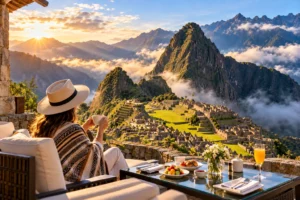
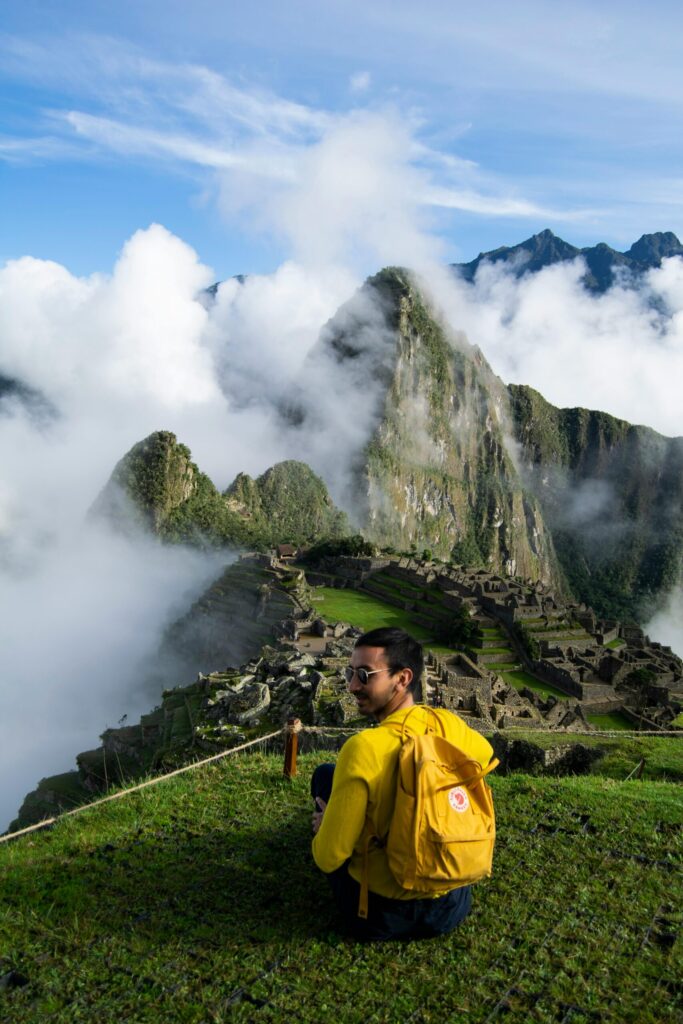
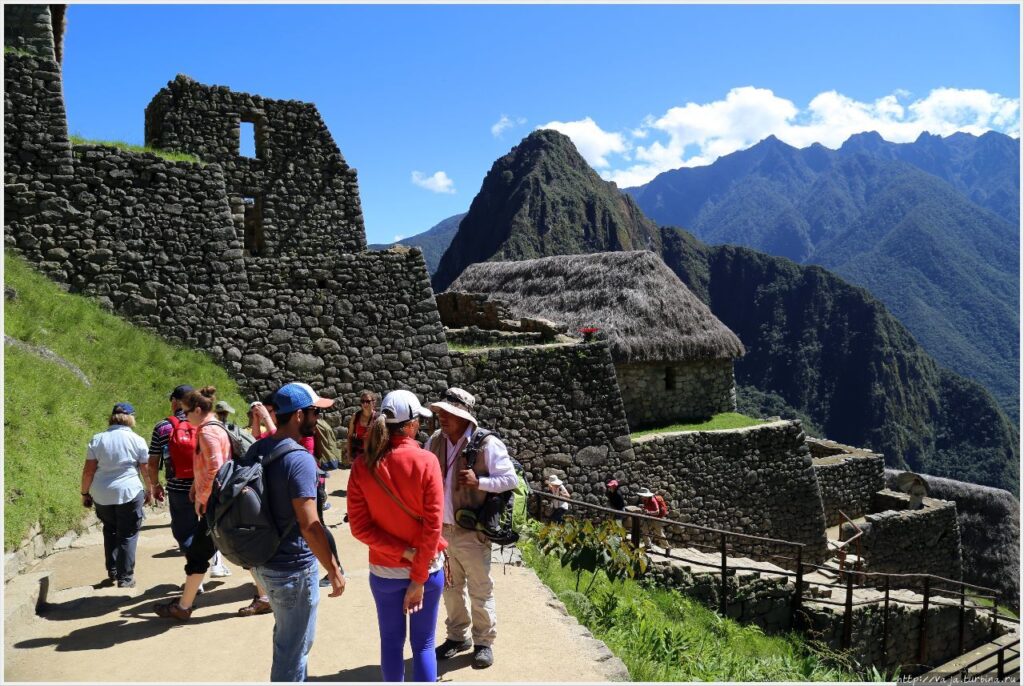
The day every step has been building toward. You wake before dawn to take the first bus up (or hike 1 hour on foot) to the entrance of Machu Picchu. First entry starts at 6:00 AM — arriving early means fewer crowds and the chance to see the citadel emerge from the morning mist.
Your guide leads a 2-hour tour of the main highlights: the Temple of the Sun, the Intihuatana stone, the agricultural terraces and the Classic Postcard viewpoint. After the guided portion, free time is yours to explore, climb to the Sun Gate (Inti Punku) or purchase a ticket to hike Huayna Picchu or Machu Picchu Mountain.
The return journey to Cusco runs by train from Aguas Calientes to Ollantaytambo, then by bus back to Cusco — arriving in the late evening.
Salkantay Trek 4 Days — Best for Time-Pressed Travelers
The 4-day Salkantay Trek compresses the itinerary by combining stages. It suits travelers who are already well-acclimatized to altitude and have a solid base fitness level.
| Day | Route | Distance | Difficulty |
|---|---|---|---|
| Day 1 | Cusco → Soraypampa | 14 km | Moderate |
| Day 2 | Soraypampa → Salkantay Pass → Chaullay | 22 km | High |
| Day 3 | Chaullay → Santa Teresa → Aguas Calientes | 20 km | Moderate |
| Day 4 | Machu Picchu → Cusco | — | Easy |
⚠️ Important: If you arrived in Cusco less than 3 days ago or have never hiked at altitude before, choose the 5-day version. Altitude sickness (soroche) is the number one reason trekkers abandon the route — don’t underestimate it.
Salkantay Trek Cost: Updated Prices for 2026
Tour prices vary depending on the service type (camping vs. lodge), group size, operator and season. Below are updated reference ranges in US dollars.
Camping Tours
| Duration | Price Range | What’s Included |
|---|---|---|
| 4 days | $280 – $380 USD | Transport, guide, cook, meals, camping gear |
| 5 days | $320 – $450 USD | All above + extra stages + Machu Picchu visit |
Lodge-to-Lodge (Premium Option)
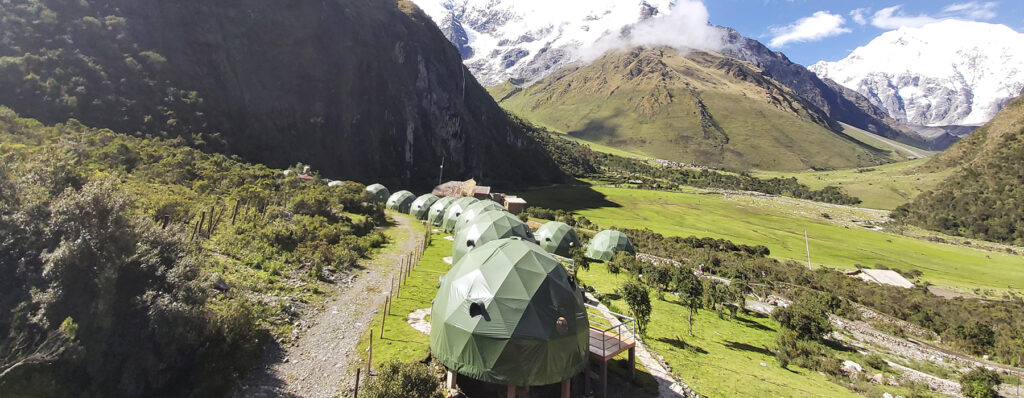
The Salkantay Lodge-to-Lodge experience replaces tents with private mountain lodges featuring real beds, hot showers, electricity and gourmet meals.
| Duration | Price Range | What’s Included |
|---|---|---|
| 5 days | $750 – $1,200 USD | All lodges, gourmet meals, private guide |
| 7 days | $1,200 – $1,800 USD | All above + cultural extensions |
💡 What’s usually NOT included: Machu Picchu entrance ticket ($60–75 USD), bus up/down in Aguas Calientes ($24 USD round trip), tips for guides and porters, and personal travel insurance.
Best Time to Do the Salkantay Trek
Choosing the right season can make a significant difference in your experience on the Salkantay Trek.
Dry Season (May – October) ✅ RECOMMENDED
The dry season is widely considered the best time for the Salkantay Trek. Skies are clear, trails are dry and mountain views are at their most spectacular.
- June, July and August are the busiest months — book at least 2–3 weeks ahead
- Nights are very cold, especially near the pass (down to -10°C / 14°F)
- Days are warm and sunny in the lower valleys (18–22°C / 64–72°F)
- Ideal for photography and summit views
Wet Season (November – April) ⚠️ FOR THE ADVENTUROUS
The rainy season doesn’t make the trek impossible — many travelers do it and have extraordinary experiences. But there are real considerations:
- Trails can be muddy and slippery, especially on steep descents
- Landslide risk is higher in exposed sections
- February is the wettest month — some operators suspend services
- The upside: far fewer trekkers, dramatically green landscapes and lower prices
Salkantay Trek Packing List: What to Bring
Your pack can make or break your Salkantay Trek. This list is based on recommendations from certified Cusco mountain guides.
Clothing and Footwear
- ✅ Waterproof hiking boots with ankle support (broken-in before the trek — never wear new boots)
- ✅ Merino wool hiking socks (minimum 3 pairs)
- ✅ Thermal base layers (top and leggings)
- ✅ Convertible hiking pants
- ✅ Moisture-wicking t-shirts (3 units)
- ✅ Fleece jacket or mid-layer
- ✅ Waterproof hardshell jacket with hood
- ✅ Wool beanie hat
- ✅ Waterproof gloves
- ✅ UV400 sunglasses
- ✅ Wide-brim sun hat or cap
Trekking Gear
- ✅ 40–50L hiking backpack
- ✅ 20–25L daypack (your main pack is carried by mule while you carry essentials)
- ✅ Trekking poles (highly recommended for the Salkantay Pass descent)
- ✅ Sleeping bag rated to -10°C / 14°F (many operators offer rental)
- ✅ 2L water bottle or hydration bladder
- ✅ Headlamp with extra batteries
- ✅ Basic first aid kit
Health and Safety
- ✅ Altitude sickness medication (Acetazolamide/Diamox — consult your doctor beforehand)
- ✅ Coca leaves or coca candy (traditional remedy for altitude)
- ✅ SPF 50+ sunscreen (UV radiation at 4,600 m is extreme)
- ✅ Insect repellent (essential in the jungle sections)
- ✅ Water purification tablets or filter
Salkantay Trek Difficulty: Can You Do It?
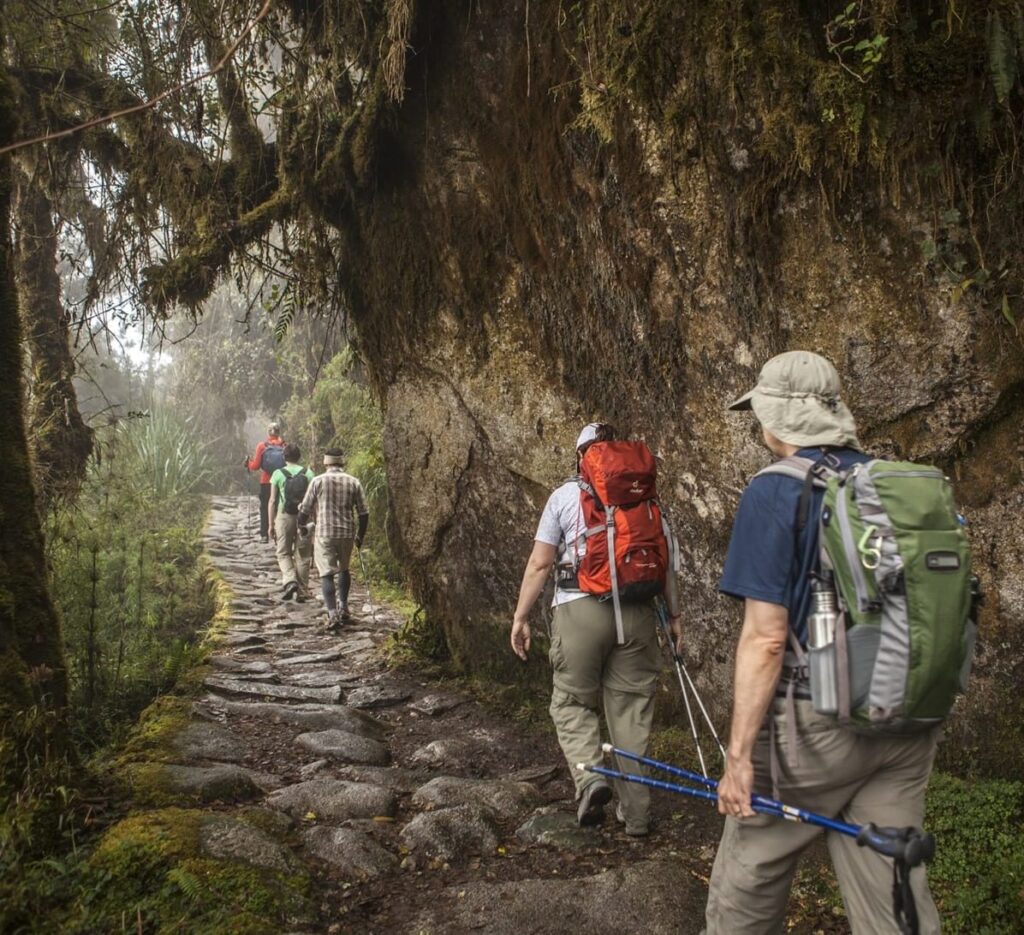
The Salkantay Trek is rated moderate to high in difficulty, but it is not a technical mountain expedition. No climbing skills or special gear are required. What you do need is:
Physical Requirements
- Ability to hike 6–8 hours per day for 4–5 consecutive days
- Endurance for elevation changes of up to 1,000 meters per day
- Tolerance for high-altitude conditions (up to 4,630 m)
Acclimatization: Non-Negotiable
This is the single most underestimated factor for first-time Andes trekkers. Arrive in Cusco at least 2 full days before starting the Salkantay Trek. During those days:
- Rest on your first day — avoid strenuous activity
- Walk around the city at a gentle pace on day two
- Drink 3+ liters of water daily
- Drink coca tea regularly — it’s widely available and genuinely helps
- Avoid alcohol for the first 48 hours
🏥 If you have heart conditions, respiratory issues or high blood pressure, consult your physician before booking the Salkantay Trek.
How Does It Compare to Other Treks?
| Trek | Difficulty | Highest Point | Days |
|---|---|---|---|
| Salkantay Trek | Moderate-High | 4,630 m / 15,190 ft | 4–5 days |
| Inca Trail | Moderate-High | 4,215 m / 13,828 ft | 4 days |
| Lares Trek | Moderate | 4,400 m / 14,436 ft | 4 days |
| Choquequirao Trek | High | 3,085 m / 10,121 ft | 5–8 days |
Permits and Regulations
One of the biggest advantages of the Salkantay Trek over the Inca Trail is the complete absence of a daily permit quota. Any licensed operator can run groups year-round without a booking cap.
What You Do Need
- Machu Picchu entrance ticket — Purchase in advance at the official Peruvian Ministry of Culture website: www.machupicchu.gob.pe (external link). In peak season (June–August), tickets sell out weeks ahead.
- Valid passport — Required for Machu Picchu entry. Photocopies are not accepted.
- Travel insurance with emergency evacuation cover — Strongly recommended given the remote terrain.
How to Choose the Right Salkantay Trek Operator
.
There are dozens of agencies in Cusco offering the Salkantay Trek — quality varies enormously. Here’s how to make the right choice.
Key Criteria
- Verify they are registered with MINCETUR (Peru’s Ministry of Foreign Trade and Tourism)
- Check independent reviews on TripAdvisor and GetYourGuide (external links)
- Ask whether guides hold official INC certification from the National Institute of Culture
- Confirm that porters and mule drivers receive fair wages and health insurance
- Be skeptical of prices below $200 USD — they usually reflect cut corners in food quality, safety gear or porter welfare
Budget vs. Premium Operators: What Changes?
| Aspect | Budget Operator ($200–280) | Premium Operator ($350–500) |
|---|---|---|
| Guide | Basic, groups of 12–16 | Certified, groups of 8–10 |
| Food | Functional, basic menu | Varied, vegetarian/vegan options |
| Camping | Standard tents | Expedition tents with sleeping pads |
| Medical support | Basic first aid kit | Portable oxygen, trained first-aider |
| Porters | Variable conditions | Certified, fair pay, proper equipment |
Salkantay Trek Variations Worth Knowing
Salkantay Trek + Rainbow Mountain (7 Days)
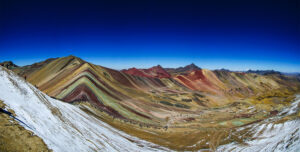
One of the most popular combinations for 2025–2026 pairs the classic Salkantay Trek with a dedicated day at Vinicunca Rainbow Mountain. This 7-day itinerary includes all five days of the Salkantay route plus one extra day for Rainbow Mountain from Cusco and a full-day rest before departure.
Salkantay Lodge-to-Lodge Trek
For travelers who want adventure without sacrificing comfort, the Salkantay Lodge-to-Lodge option is the answer. You sleep in private mountain lodges with real beds, hot showers, Wi-Fi and electricity at each stage of the route. The most recognized provider for this format is Mountain Lodges of Peru, with lodges positioned at Soraypampa, Wayra, Colpapampa and Lucmabamba.
Private Salkantay Trek
Couples, families and small groups increasingly opt for a private Salkantay Trek with a dedicated guide and fully customized itinerary. The cost premium is typically 30–50% above group rates, but the flexibility, privacy and personalized service make it a genuinely different experience.
Getting to the Salkantay Trek Starting Point
The Salkantay Trek begins in Mollepata, a village located approximately 2.5 hours by road from Cusco (about 130 km). Most operators include transportation from your Cusco hotel as part of the tour package, with departures between 4:00 and 5:00 AM.
Independent Transport Options
- With your tour operator — Standard inclusion. No extra cost or logistics required.
- Public transport — Take a shared colectivo from Cusco’s main bus terminal toward Limatambo, then a second one to Mollepata. Budget and slower, but feasible.
- Private transfer — Hire a taxi or private van directly from Cusco. Estimated cost: $80–$120 USD per vehicle (not per person).
Frequently Asked Questions About the Salkantay Trek
Do I need a permit for the Salkantay Trek?
No. The Salkantay Trek does not require a special permit with a daily quota like the Inca Trail does. The only ticket you must book in advance is the Machu Picchu entrance ticket, available at machupicchu.gob.pe. In peak season, these sell out weeks ahead, so don’t wait.
How difficult is the Salkantay Trek?
The Salkantay Trek is rated moderate to high difficulty. The most demanding day is Day 2, when you cross the Salkantay Pass at 4,630 m (15,190 ft). With proper acclimatization and a reasonable base fitness level, most healthy adults can complete the trek without technical mountaineering experience.
What is the best time of year to do the Salkantay Trek?
The best time is during the dry season, from May to October. June, July and August offer the clearest skies and the best trail conditions. The rainy season (November–April) is possible but comes with muddy trails and a higher risk of disruptions.
How much does the Salkantay Trek cost?
Prices range from $280 to $1,800 USD depending on the service type. A standard 5-day camping tour with a reputable operator typically costs $350–$450 USD all-inclusive. The lodge-to-lodge luxury version starts at $750 USD.
Can I do the Salkantay Trek independently without a guide?
Technically yes, but it is strongly not recommended. Sections of the trail are unmarked or unclear, altitude-related emergencies can escalate rapidly in remote terrain, and navigating logistics (transport, camping, food, train tickets) independently is complex. Booking with a local operator also directly supports Andean communities along the route.
What is the difference between the Salkantay Trek and the Inca Trail?
The Inca Trail requires a government permit capped at 500 people per day (including staff), and permits sell out months in advance. The Salkantay Trek has no quota and can be booked anytime. In terms of scenery, the Salkantay Trek offers more varied ecosystems and a more dramatic high-altitude crossing. The Inca Trail, however, passes through more Inca archaeological sites along the route. Read our full Salkantay Trek vs Inca Trail comparison.
How do I avoid altitude sickness on the Salkantay Trek?
The most effective prevention strategy is simple: arrive in Cusco 2–3 days before your trek starts. Rest on day one, walk gently on day two, drink plenty of water and avoid alcohol. Many trekkers also consult their doctor about Acetazolamide (Diamox) as a preventive medication. Coca tea and coca candies, widely available in Cusco, are also genuinely effective for mild altitude symptoms.
Final Thoughts: Is the Salkantay Trek Worth It?
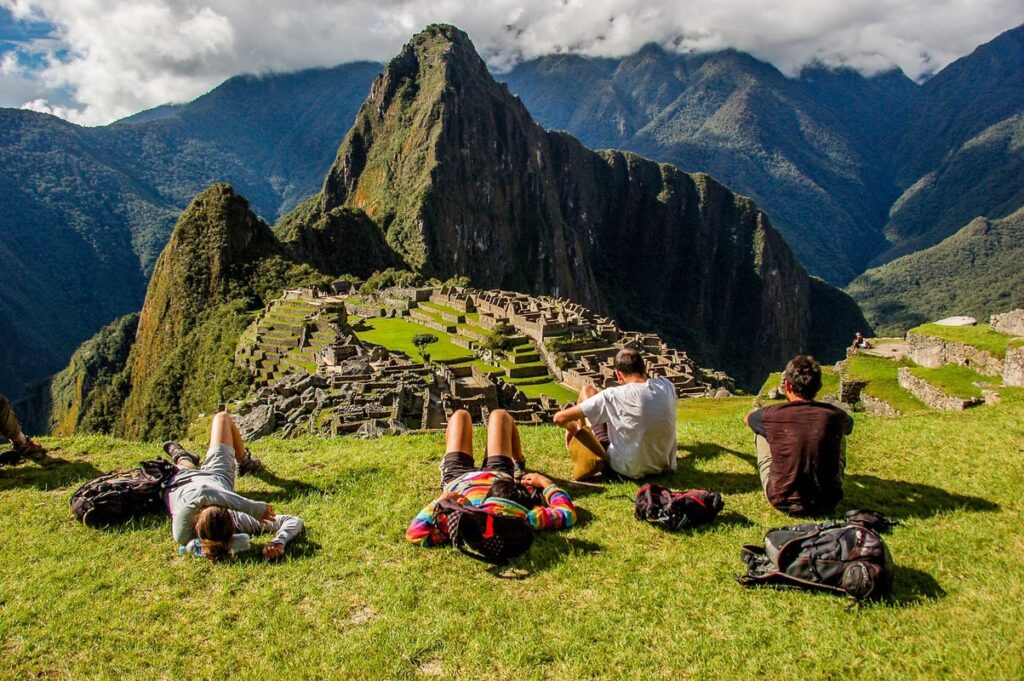
Without question: yes. The Salkantay Trek is not simply a trail to Machu Picchu — it’s a complete immersion in five ecosystems, ancient Andean culture and your own physical and mental limits. The moment you stand at the Salkantay Pass, breathless at 4,630 meters with a snow-capped giant above you and cloud forest far below, you’ll understand why so many travelers call it the best week of their lives.
If you’re ready to make it happen, our team is here to guide every detail. Explore our Salkantay Trek tours and find the perfect option for your pace, budget and travel style.
Have questions about the Salkantay Trek? Leave a comment below, start a chat with us or send us a message — we reply within 24 hours.