Sacred Valley Cusco: The Complete Travel Guide 2026
Sacred Valley Cusco is one of the most culturally rich destinations in Peru. The Urubamba River runs through this stunning region, connecting Cusco with Machu Picchu. Ancient Inca ruins line the valley walls. Vibrant local markets fill the towns with color every week. Traditional Andean villages maintain customs unchanged for centuries. This guide covers everything you need: the best places to visit, 2026 prices, the ideal itinerary and tips from local guides.
What Is the Sacred Valley Cusco?
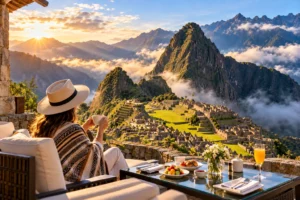
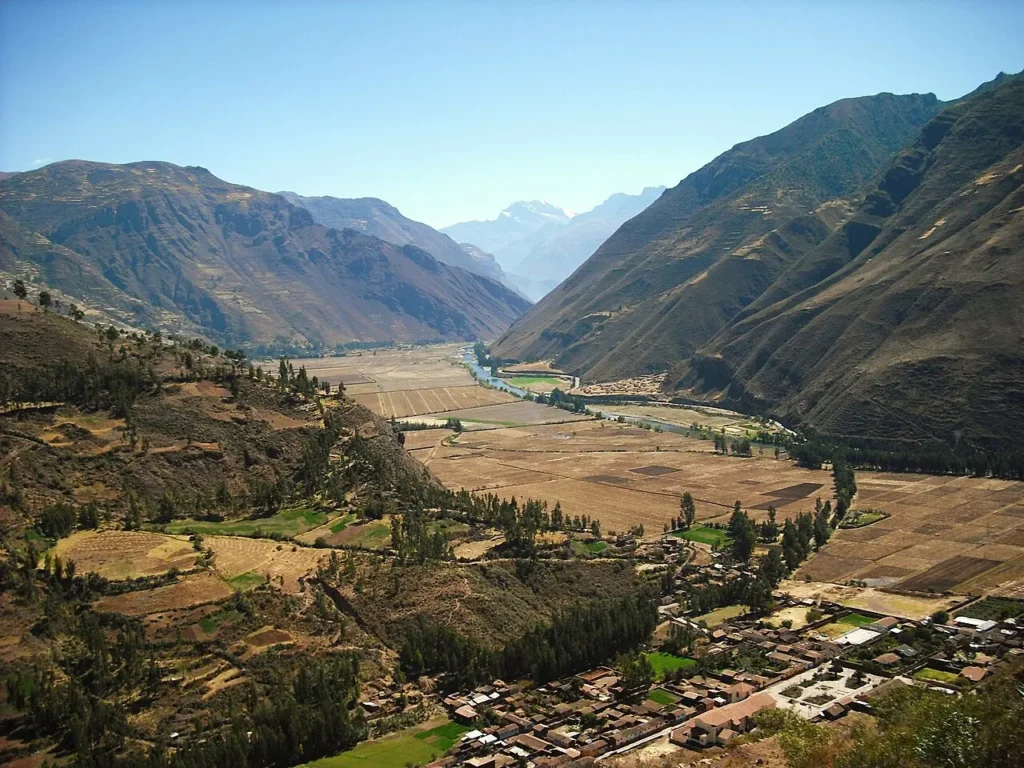
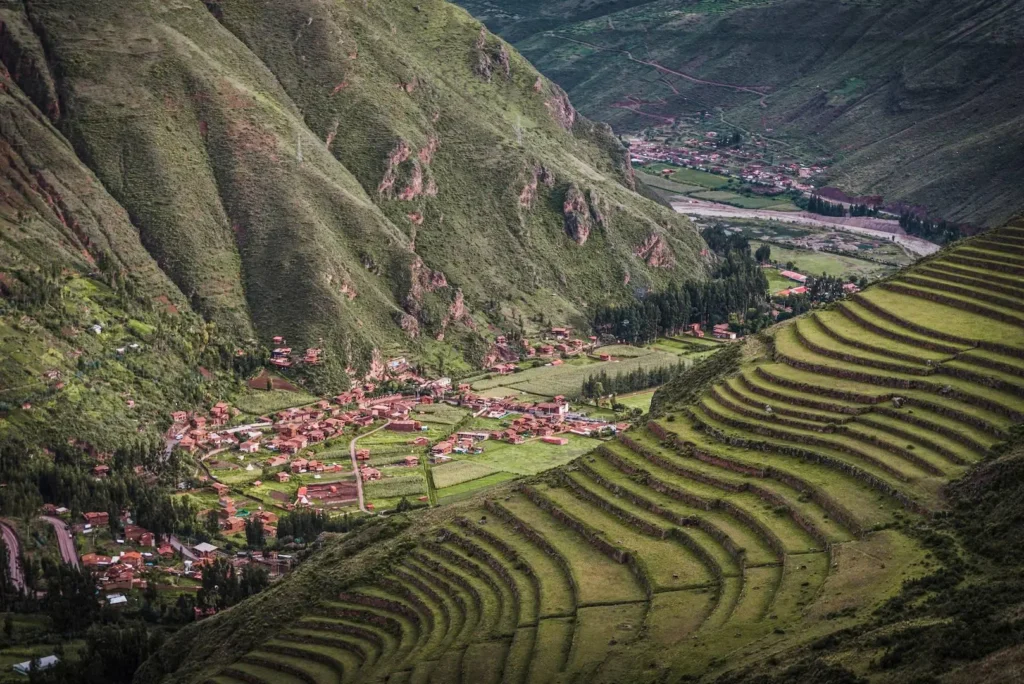
The Sacred Valley Cusco stretches along the Urubamba River in the Peruvian Andes. It connects Cusco with Aguas Calientes near Machu Picchu. The Inca Empire built temples, terraces and towns throughout this valley. Its mild climate and rich soil made it perfect for agriculture. Today travelers visit the Sacred Valley Cusco for its archaeology, living culture and Andean landscapes. Everything lies within a short drive from Cusco.
Why Is the Sacred Valley Important?
The Inca Empire valued the Sacred Valley for two main reasons: agriculture and religion. The valley’s lower altitude created ideal conditions for growing corn, the most sacred Inca crop. Farmers also cultivated quinoa and hundreds of native potato varieties here. Beyond farming, the Incas aligned their temples and ceremonial centers with astronomical events. Local communities still farm this same land today. They pass down agricultural traditions from generation to generation.
Main Towns and Villages
A complete Sacred Valley Cusco tour covers four main destinations. Pisac offers a colorful artisan market and hillside ruins. Ollantaytambo stands as a living Inca town with original streets still in use. Chinchero preserves centuries-old weaving traditions. Moray and the Maras salt mines showcase extraordinary Inca engineering. Each stop delivers a completely different experience.
How Does a Sacred Valley Cusco Tour Work?
A standard Sacred Valley Cusco tour runs as a full-day excursion. Most tours depart Cusco between 8:00 and 9:00 AM. They return between 6:00 and 7:00 PM. No extreme early start is required, unlike Rainbow Mountain tours. Travelers of all ages and fitness levels enjoy this excursion comfortably. Guides lead the group along a circular route covering the main towns and sites in a logical geographic order.
What Is Included?
Most Sacred Valley tours include round-trip transport from your Cusco hotel. A bilingual guide accompanies the group throughout the day. The price covers stops at the main viewpoints and towns. It does not cover the Boleto Turístico del Cusco. This tourist pass costs approximately $40 USD and grants access to the archaeological sites. Lunch is also not included. Most groups eat at a local restaurant in Urubamba or Ollantaytambo.
Full Day vs Half Day
A half-day tour covers only one or two destinations. Chinchero combined with a viewpoint stop is the most common option. A full-day tour visits all four major sites: Pisac, Ollantaytambo, Chinchero and Moray or Maras. First-time visitors to the Sacred Valley Cusco should always choose the full-day option. It delivers a much more complete picture of the region’s history and culture.
Sacred Valley Itinerary: Best Places to Visit
The following section breaks down the four essential stops on any Sacred Valley Cusco itinerary, presented in the order most tours typically follow. Each destination offers a distinct experience, from bustling markets to monumental Inca architecture, making this one of the most diverse day trips available from Cusco.
Pisac
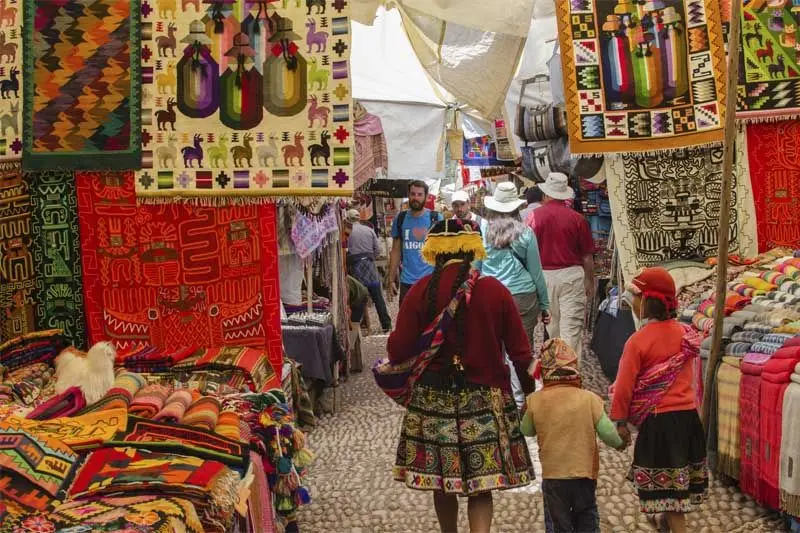
Pisac combines two completely different experiences in one location. At the base of the hill, the artisan market offers handwoven textiles, ceramics and silver jewelry. Tuesday, Thursday and Sunday see the largest and most vibrant market activity. High above the town, the archaeological complex features agricultural terraces and ceremonial baths. A hilltop citadel crowns the ruins with panoramic views over the entire valley.
Ollantaytambo
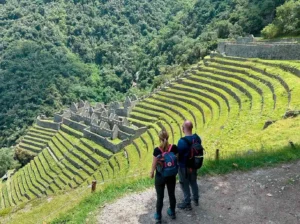
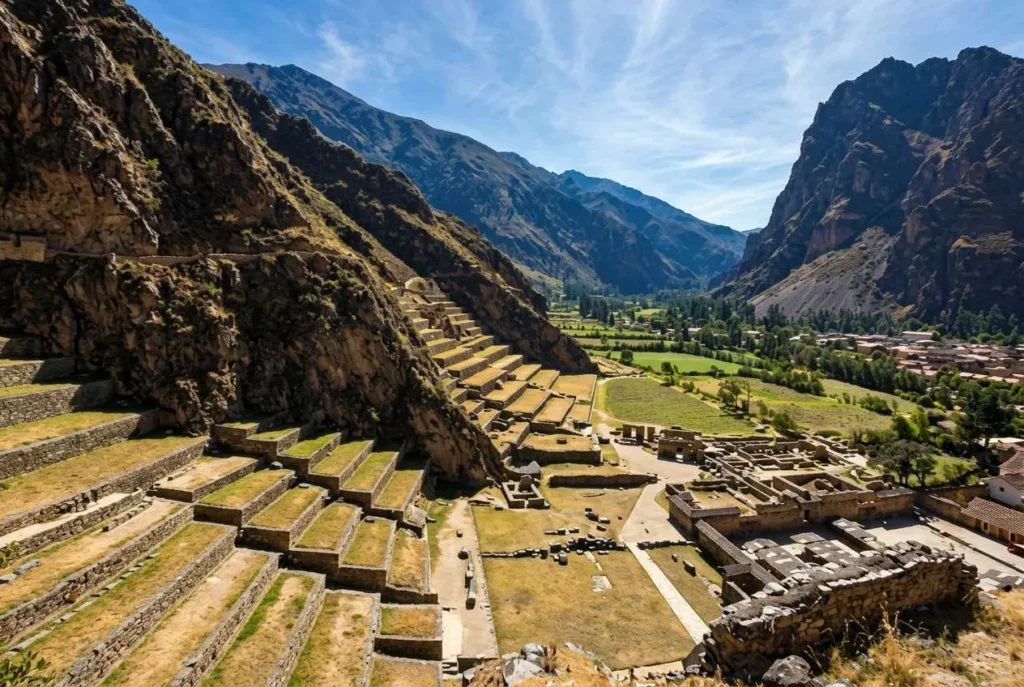
Ollantaytambo preserves the finest example of Inca town planning in Peru. Families still live in original Inca structures along its narrow stone streets. Water channels run through the town exactly as the Incas designed them. A massive fortress-temple complex rises above the rooftops into the hillside. Enormous stone blocks demonstrate the extraordinary precision of Inca engineering. Trains to Machu Picchu depart from Ollantaytambo station every day.
Chinchero
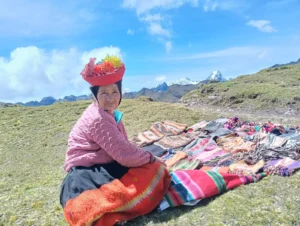
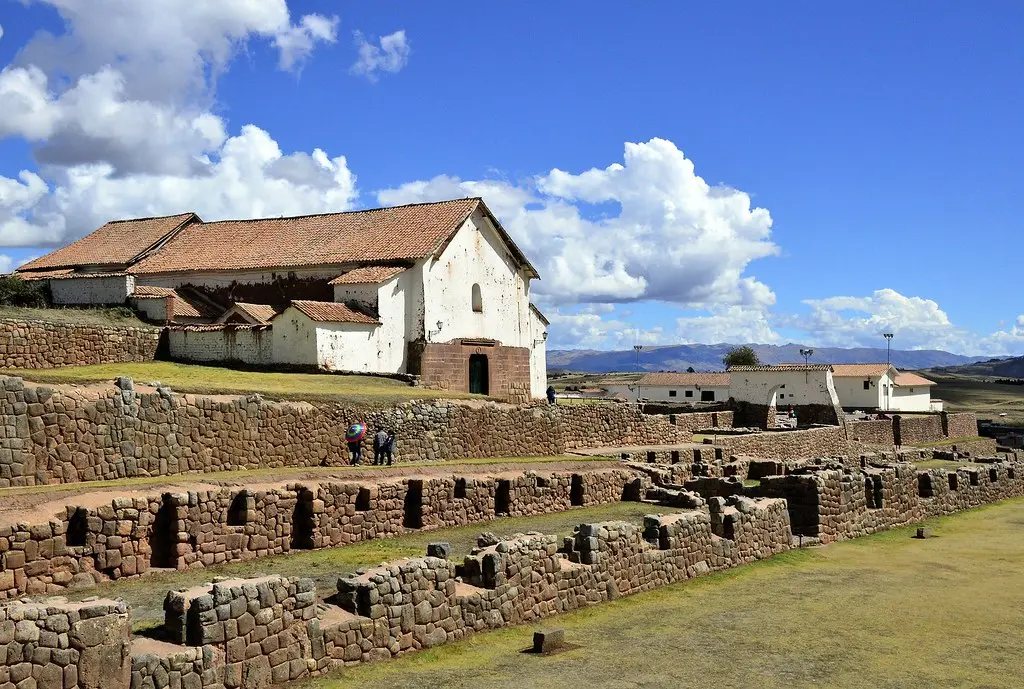
Chinchero showcases living Quechua textile traditions. Local women demonstrate the entire weaving process from start to finish. They wash raw alpaca wool, dye it with natural plant pigments and weave it into intricate patterns. A colonial church sits directly on top of original Inca foundations. On clear days, snow-capped Salkantay dominates the horizon. Buying directly from local cooperatives supports artisan families in the community.
Moray and Maras
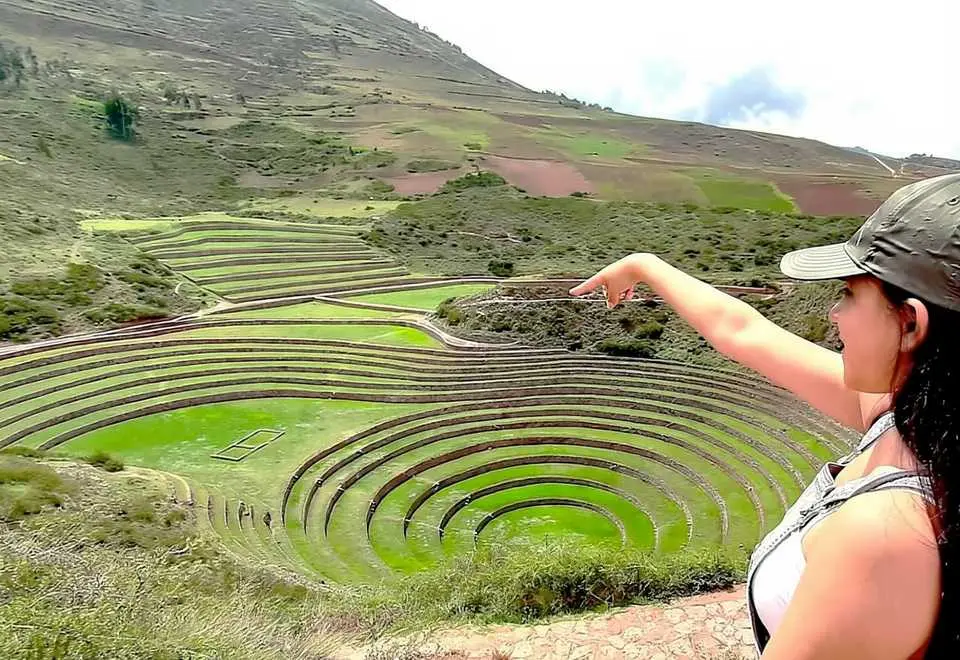
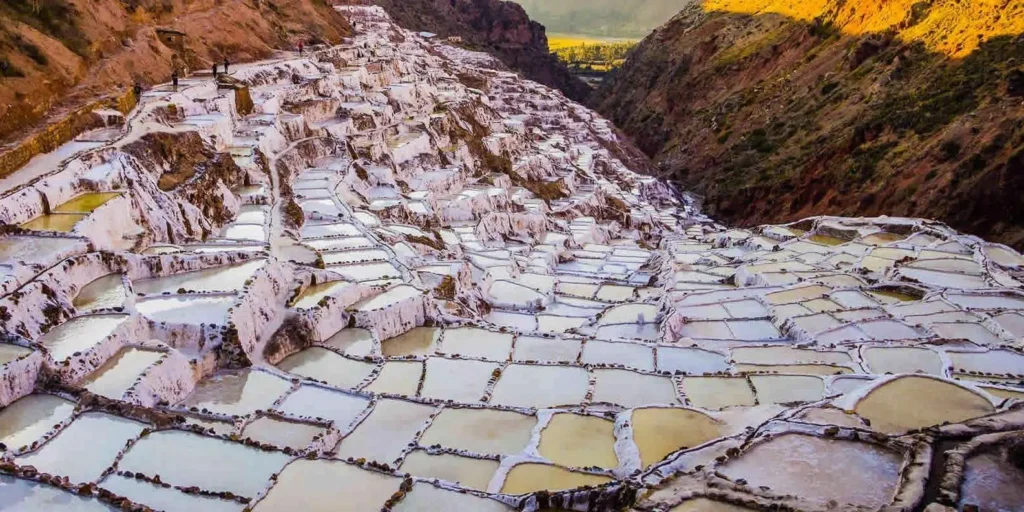
Moray features circular terraces descending into a natural depression in the earth. Each level creates a slightly different microclimate. Researchers believe the Incas used Moray as an agricultural research laboratory. A short drive away, thousands of small terraced salt pools cover the mountainside at Maras. Local families have harvested salt here since before the Inca Empire. They continue this tradition to this day.
Sacred Valley Cusco Prices 2026
The cost of visiting the Sacred Valley Cusco depends on your chosen tour type. Group tours, private tours and independent travel all offer different experiences at different price points. The table below summarizes the main options for 2026.
Sacred Valley Cusco Prices 2026
A standard group tour costs between $25 and $40 USD per person. This price does not include the Boleto Turístico del Cusco. That tourist pass costs approximately $40 USD separately. Group tours typically include 15 to 20 participants. They follow a fixed schedule with set time at each stop.
Private Tour Prices
A private Sacred Valley tour costs between $80 and $150 USD per person. Prices drop as group size increases. Private tours give you complete control over your itinerary. You can spend more time at your favorite sites. You can also skip stops that do not interest you.
Best Time to Visit Sacred Valley Cusco
The time of year significantly affects your Sacred Valley Cusco experience. Weather, crowd levels and trail conditions all vary between seasons. Choose your travel dates based on your priorities.
Dry Season
The dry season runs from May to October. Skies stay clear most days during this period. Rainfall is minimal throughout the valley. Photography conditions are excellent. June, July and August attract the highest number of international visitors. Popular sites like Pisac and Ollantaytambo fill up around midday during these months.
Wet Season
.The wet season runs from November to April. Rain showers typically arrive in the afternoon. Mornings are often clear and pleasant for sightseeing. Fewer tourists visit during this season. Hillside terraces turn a dramatic green from the rainfall. February brings the heaviest rain of the year. Pack a reliable rain jacket for any wet season visit.
How to Get There
Travelers reach the Sacred Valley from Cusco by public transport or private transfer. Both options work well depending on your budget and travel style.
Public Transport
Local colectivos depart from Cusco’s Pavitos terminal toward Pisac, Urubamba and Ollantaytambo. The fare costs between $2 and $4 USD per destination. Vehicles depart when full rather than on a fixed schedule. This option suits independent travelers comfortable with flexible logistics.
Private Transfer
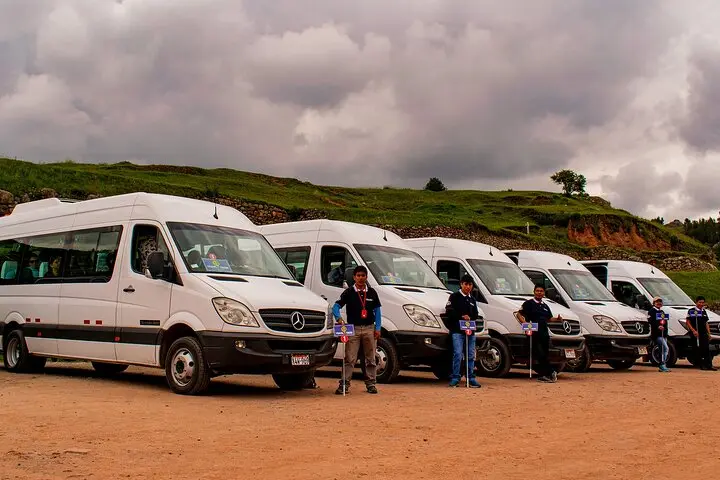
A private taxi or van for the day costs between $60 and $100 USD for the whole vehicle. Groups of two or more people find this option very cost-effective. You control every stop and every minute of your schedule. Families and small groups particularly enjoy the privacy and flexibility.
Sacred Valley vs Other Day Trips
Cusco offers many excellent day trip options. Understanding the differences helps you choose the right excursion for your interests and physical condition.
Sacred Valley vs Rainbow Mountain
Rainbow Mountain focuses on natural scenery and physical adventure at extreme altitude. The Sacred Valley Cusco delivers a culturally rich experience at a comfortable elevation. History lovers and families do better at the Sacred Valley. Adventure seekers and photographers often prefer Rainbow Mountain.
Sacred Valley vs Machu Picchu
A Machu Picchu day trip requires booking train tickets and entrance permits weeks in advance. The cost runs significantly higher than a Sacred Valley tour. The Sacred Valley often accepts bookings just one or two days ahead. Many travelers visit both destinations on consecutive days for a complete Cusco experience.
What to Pack
The Sacred Valley sits between 2,800 and 3,500 meters above sea level. Temperatures feel warmer here than in Cusco. Comfortable walking shoes handle the uneven terrain at archaeological sites. A light jacket covers cooler mornings and evenings. Strong sunscreen protects against the intense Andean sun at altitude. A wide-brim hat adds extra protection during midday visits. Bring small denomination cash for handicraft purchases at local markets.
Sacred Valley Cusco FAQ
Here are the most common questions travelers ask before visiting the Sacred Valley Cusco.
Yes, the Sacred Valley Cusco is widely considered one of the best day trips in Peru thanks to its combination of well-preserved Inca architecture, vibrant living culture and stunning Andean scenery, all accessible without the physical demands of high-altitude treks.
A full-day Sacred Valley tour typically lasts between 9 and 11 hours, including transportation time, guided visits at each archaeological site and a lunch stop in one of the local towns.
Yes, most archaeological sites in the Sacred Valley, including Pisac and Ollantaytambo, require the Boleto Turístico del Cusco for entry. This ticket can be purchased online or in person in Cusco and is not typically included in standard tour prices.
Yes, the Sacred Valley is one of the easiest regions in Peru to visit independently, thanks to frequent public transportation connecting all major towns. However, hiring a guide is recommended for travelers who want deeper historical context about the sites.
The most popular itinerary follows a circular route starting in Chinchero, continuing to Moray and the Maras salt mines, then Ollantaytambo, and finishing in Pisac, allowing travelers to see all four major destinations in a single full day.
Absolutely, the Sacred Valley is specifically designed for day trips from Cusco, with most tours departing and returning the same day while covering multiple historical and cultural sites along the way.
Related Articles
Continue planning your trip to Cusco with these related guides.